
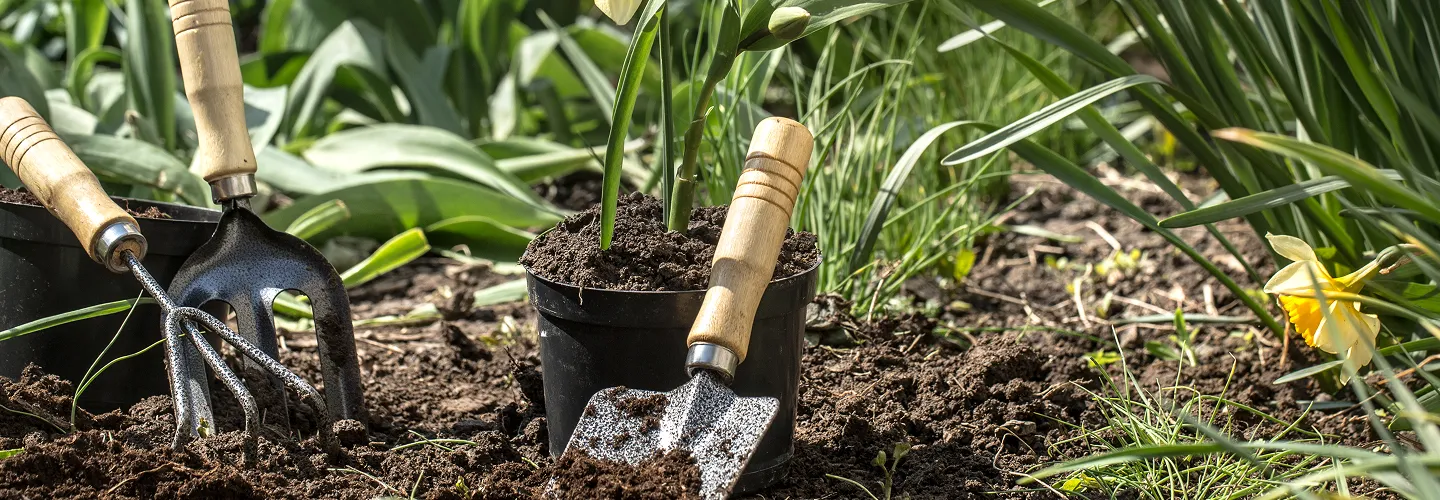
Fresno Leaf Removal Services
Choose our leaf removal service for reliable, thorough cleanup that keeps your yard healthy, safe, and looking its best all season long.
Get a Free QuoteOur Fresno Landscaping & Yard Care Services
When to Schedule Leaf Removal in Fresno, Texas – Seasonal Guide
In Fresno, Texas, the best times for leaf removal are typically late fall and early winter, just after the majority of trees—such as those lining the streets of Teal Run and Winfield Lakes—have shed their leaves. The region’s mild winters and humid subtropical climate mean that leaves can accumulate quickly, especially after the first frost, which usually occurs in late November. Removing leaves promptly helps prevent mold growth and protects your lawn from suffocating under thick layers of debris.
Local environmental factors play a significant role in determining the ideal schedule for leaf removal. For example, areas with heavy shade coverage, like those near Mustang Community Park, may experience slower leaf decomposition due to higher humidity and less sunlight. Additionally, Fresno’s clay-heavy soils can retain moisture, increasing the risk of fungal issues if leaves are left too long. Homeowners should also be mindful of drought risk in late summer and early fall, as accumulated leaves can hinder water absorption. For more information on local environmental guidelines, visit the Sudbury municipal site.
Local Factors to Consider for Leaf Removal in Fresno
- Tree density and species in your yard (oak, pecan, and elm trees shed at different rates)
- Proximity to water features or low-lying areas prone to pooling
- Recent precipitation and humidity levels
- Shade coverage from nearby structures or mature trees
- Soil type (clay soils common in Fresno require extra care)
- Municipal restrictions or scheduled yard waste pickups
- Terrain and accessibility for equipment
Benefits of Leaf Removal in Fresno

Enhanced Curb Appeal
Healthier Lawns and Gardens
Prevention of Pest Infestations
Reduced Risk of Lawn Diseases
Improved Drainage and Safety
Time and Effort Savings
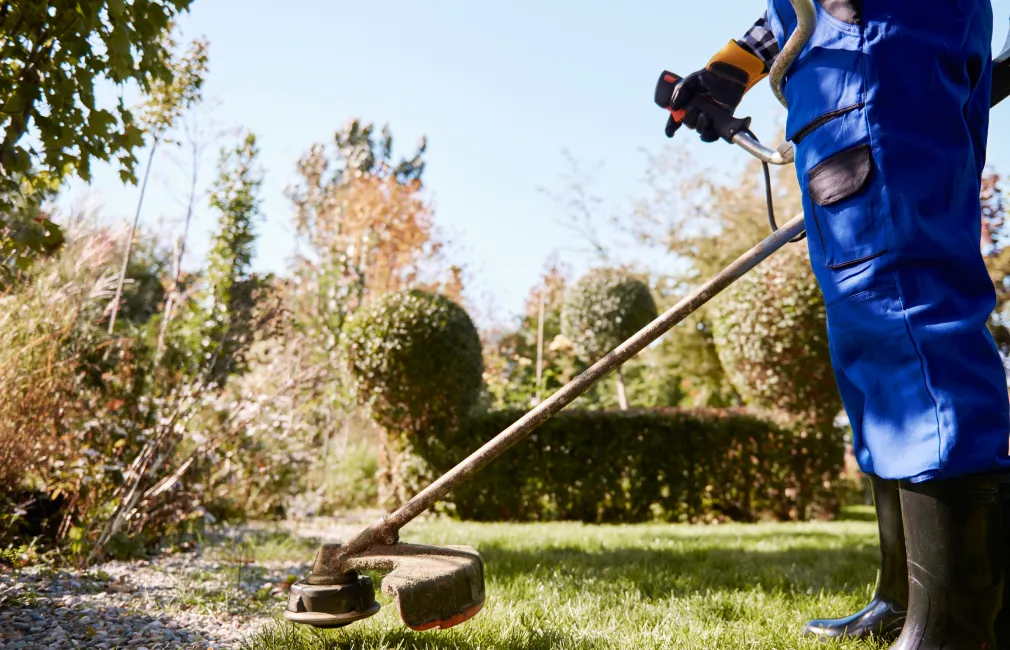
Fresno Leaf Removal Types

Raking and Bagging
-
Leaf Blowing
-
Mulching Leaves
-
Vacuum Leaf Removal
-
Curbside Leaf Pickup
-
Composting Leaves
-
Seasonal Cleanup Services
Our Leaf Removal Process
Site Evaluation
Debris Gathering
Leaf Collection
Final Cleanup
Why Choose Fresno Landscape Services
-
Fresno Homeowners Trust Us
-
Expert Lawn Maintenance
-
Reliable Irrigation Solutions
-
Competitive Pricing
-
Professional Team
-
Satisfaction Guarantee
-
Personalized Service
Leaf Collection and Disposal Procedures in Fresno: Municipal Schedules and Requirements
Leaf removal in Fresno, TX is governed by municipal guidelines to ensure orderly collection and environmental compliance. The city typically schedules curbside yard waste pickup every Thursday from April through November. Residents must use biodegradable paper bags or reusable bins (32-gallon maximum) for leaves; plastic bags are not accepted. Branches and brush must be under 4 feet in length and less than 4 inches in diameter. Collection is limited to leaves, grass clippings, and small brush; larger debris requires special arrangement. Improper disposal, such as placing leaves in storm drains, is prohibited under the city’s MS4 permit and may result in fines. For questions about collection schedules or accepted materials, residents should coordinate with the Department of Public Works.
Houston Public Works Department
611 Walker Street, Houston, TX 77002
Phone: (832) 395-2500
Official Website: Houston Public Works Department
Soil Series and Drainage Considerations for Leaf Removal in Fresno Lawns
Fresno’s predominant soils, as identified by the USDA Web Soil Survey, include Houston Black clay and Lake Charles clay, both characterized by high clay content, slow drainage, and a tendency for compaction. These soils often exhibit pH values between 7.5 and 8.2, requiring careful management to prevent waterlogging during leaf removal operations. When removing leaves, it is recommended to avoid heavy equipment after rainfall to prevent soil compaction and rutting. Incorporating 2-3 inches of compost tilled to a 6-inch depth can improve soil structure and drainage. Soil testing is available through Texas A&M AgriLife Extension for a typical fee of $15-25. Proper soil management supports healthy turf and reduces runoff risks during seasonal leaf accumulation.
Environmental Compliance: Stormwater Protection and Buffer Zones in Fresno
Leaf removal activities in Fresno must comply with state and federal stormwater regulations, including the Texas Water Code and the Clean Water Act. The city’s MS4 permit prohibits the disposal of leaves or yard waste in storm drains, ditches, or within 25 feet of wetlands and protected water bodies. Buffer zones must be maintained to prevent nutrient runoff and protect local streams and detention ponds. Key compliance steps include:
- Maintain a 25-foot no-disturbance buffer from wetlands and drainage channels
- Never blow or rake leaves into the street or storm drains
- Use only approved containers for curbside collection
- Schedule removal before forecasted heavy rain events (check National Weather Service Houston/Galveston)
For further guidance, consult the Texas Commission on Environmental Quality.
Texas Commission on Environmental Quality
12100 Park 35 Circle, Austin, TX 78753
Phone: (512) 239-1000
Official Website: Texas Commission on Environmental Quality
Equipment Operation Hours and Safety Standards for Leaf Removal in Fresno
Fresno enforces municipal noise ordinances for outdoor equipment operation. Permitted hours for leaf blowers and vacuums are:
- Monday-Friday: 7:00 AM - 7:00 PM
- Saturday: 8:00 AM - 6:00 PM
- Sunday and holidays: Prohibited All commercial operators must use equipment with functioning mufflers and maintain noise levels below 85 decibels at property lines. Safety protocols require:
- Eye protection: ANSI Z87.1 safety glasses
- Hearing protection: Earmuffs or plugs for 85+ dB
- Footwear: Steel-toed, non-slip boots
- Maintain a 15-foot clearance from overhead power lines Operators working near public roads must deploy warning signs 500 feet in advance and use high-visibility vests. For additional safety and compliance information, contact the Department of Public Works.
Houston Public Works Department
611 Walker Street, Houston, TX 77002
Phone: (832) 395-2500
Official Website: Houston Public Works Department
What Neighborhoods Do We Serve Throughout Fresno, TX?
- Winfield Lakes: Features dense tree coverage and clay soils prone to poor drainage, requiring careful timing for leaf removal to prevent turf damage.
- Teal Run: Characterized by large lots and mature landscaping, with HOA guidelines mandating prompt leaf collection and specific container types.
- Cambridge Falls: Newer development with compacted fill soils and limited street access, necessitating smaller equipment and adherence to noise restrictions.
- Andover Farms: Proximity to drainage channels and wetlands means strict enforcement of 25-foot buffer zones and stormwater compliance.
- Ridgewood Estates: Includes properties near conservation areas, where leaf disposal must avoid protected habitats and comply with city environmental ordinances.
- Creekmont: Sloped lots and heavy tree density increase the volume of seasonal leaf fall, requiring frequent collection and attention to runoff prevention.
- Estates of Teal Run: Larger properties with mixed soil types and occasional flooding, making proper debris management and timing essential for effective service.
Seasonal Timing and Weather Considerations for Leaf Removal in Fresno
Fresno is located in USDA Hardiness Zone 9a, with mild winters and a primary leaf drop period from late October through early December. Optimal leaf removal timing is:
- Initial collection: October 20 - November 10
- Final collection: December 1 - December 15
- Avoid removal during or immediately after heavy rainfall to prevent soil compaction
- Monitor soil temperature (ideally above 50°F) for safe equipment use Residents should consult the National Weather Service Houston/Galveston for up-to-date forecasts to schedule removal before major rain events. Frequent removal during peak drop reduces stormwater blockage and maintains compliance with city ordinances. For additional seasonal guidance, refer to Texas A&M AgriLife Extension for best practices in leaf and yard waste management.